
An elevator hall call button is a small but important part of every elevator system. It allows passengers to tell the elevator that they want to travel. When someone presses the button, the elevator control system receives the request and sends an elevator to that floor. Although the button looks simple, it plays an important role in safe, smooth, and convenient elevator operation.
Modern buildings use different types of hall call buttons. Some have traditional mechanical switches, while others use touch-sensitive panels or illuminated buttons. The right choice depends on the elevator design, building requirements, user needs, and control system. Understanding how these buttons work can help building owners, maintenance teams, and passengers make better decisions.
What Is an Elevator Hall Call Button?
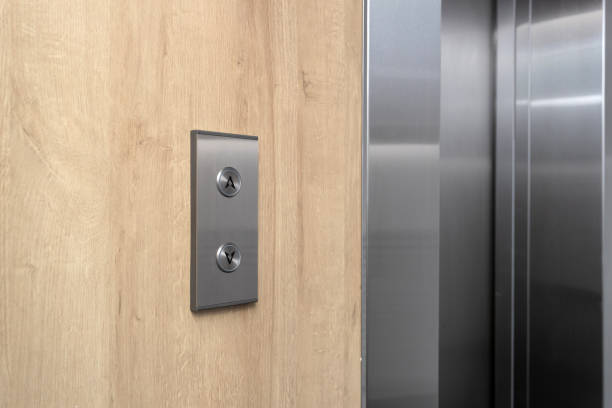
An elevator hall call button is the control button located outside the elevator entrance. It is usually installed on the wall next to the elevator doors. Passengers use it to request an elevator from a particular floor.
Most standard elevator systems have two hall call buttons. One button points upward, and the other points downward. The passenger selects the direction they want to travel. In buildings with simpler elevator systems, there may be only one button that calls the elevator without selecting a direction.
The button sends an electrical or digital signal to the elevator controller. The controller then determines which elevator should respond to the request. In systems with multiple elevators, advanced controls can select the most suitable car based on location, direction, and passenger demand.
How Does an Elevator Hall Call Button Work?
The basic operation of a hall call button is straightforward. When a passenger presses the button, the control system receives the request. The elevator controller checks the current positions and movements of available elevator cars.
If an elevator is nearby and traveling in the required direction, the system may assign that elevator to the passenger. The elevator then stops at the requested floor.
An indicator light often turns on after the button is pressed. This light confirms that the system has registered the call. Once the elevator arrives, the light may turn off or change depending on the control design.
This simple process helps organize elevator traffic and reduces unnecessary elevator movement.
Types of Elevator Hall Call Buttons
There are several types of elevator hall call button designs available today. Mechanical push buttons are among the most common options. They provide physical feedback when pressed and are generally easy to maintain.
Illuminated push buttons include a light that confirms the call. These are useful in busy buildings because passengers can quickly see whether their request has been registered.
Touch-sensitive buttons are another modern option. They use electronic sensors instead of traditional mechanical switches. They can provide a clean appearance and may be integrated into advanced elevator control panels.
Some buildings also use vandal-resistant buttons. These are designed for locations where the equipment may experience heavy use or intentional damage.
Importance of Elevator Hall Call Buttons
A reliable hall call button is essential for effective elevator operation. If the button does not work properly, passengers may be unable to request an elevator.
A good button should respond quickly and provide clear feedback. It should also be durable enough to handle thousands of presses over its service life.
Accessibility is another important consideration. Buttons should be easy to locate and operate for people with different physical abilities. Tactile markings, suitable button height, visible indicators, and audible feedback can improve accessibility.
In public buildings, these features can make the elevator experience safer and more convenient for everyone.
Features to Consider When Choosing a Hall Call Button
When selecting an elevator hall call button, several features should be considered. Durability is one of the most important factors. Elevator buttons are used frequently, so poor-quality components can wear out quickly.
The button should also be compatible with the elevator controller and existing wiring. Electrical specifications must match the control system.
Other useful features include:
- LED call confirmation
- Tactile markings
- Braille symbols
- High-visibility indicators
- Vandal-resistant construction
- Weather-resistant designs
- Long service life
- Easy installation
- Low maintenance requirements
Choosing the right features can improve reliability and passenger satisfaction.
Elevator Hall Call Buttons and Accessibility
Accessibility should be part of every elevator design. Passengers with visual, hearing, or physical limitations should be able to use the elevator controls without unnecessary difficulty.
Tactile symbols and Braille can help passengers identify buttons by touch. Illuminated indicators can provide visual confirmation that a call has been registered.
Some systems also provide audible signals. These signals can help users understand whether their request has been accepted or when the elevator has arrived.
Building owners should follow the accessibility requirements that apply to their location. Working with qualified elevator professionals can help ensure that the button design meets applicable standards.
Common Problems With Hall Call Buttons
Like any frequently used electrical component, an elevator hall call button can eventually develop problems. One common issue is a button that does not respond when pressed. This may be caused by a worn switch, damaged wiring, or a problem with the controller.
Another problem is a call indicator that remains illuminated. This can indicate a control-system issue or a communication problem.
Buttons can also become loose, dirty, scratched, or physically damaged. In busy buildings, these problems may happen more frequently.
Regular inspection can help identify problems before they affect elevator service. Maintenance should always be performed by qualified professionals because elevator systems involve important safety equipment.
Maintenance of Elevator Hall Call Buttons
Proper maintenance helps extend the life of elevator hall call buttons. Technicians should inspect the button panel and check that every button responds correctly.
The indicator lights should also be tested. Loose connections, damaged wires, or worn components should be repaired according to the elevator manufacturer’s procedures.
The surface of the button panel should be kept clean. However, cleaning products should be appropriate for the material and electrical equipment.
Building managers should avoid attempting complex elevator repairs themselves. Elevator control systems can be complicated, and incorrect repairs may create safety risks.
Hall Call Buttons in Modern Smart Elevators
Modern elevators are becoming more connected and intelligent. Advanced systems can use electronic hall call panels, destination control, sensors, and building management software.
In destination-control systems, passengers may enter their desired floor before entering the elevator. The system then assigns them to a particular elevator.
Some modern buildings also use touchscreens or integrated digital panels. These systems can provide information about elevator status and building services.
Even with these advanced technologies, the basic purpose remains the same: receiving a passenger request and communicating it to the elevator control system.
How to Choose the Right Elevator Hall Call Button
Choosing the right button requires more than selecting an attractive design. Building owners should consider the elevator type, expected traffic, installation environment, and control system.
For commercial buildings, durable and vandal-resistant buttons may be appropriate. Residential buildings may prioritize appearance and simple operation.
Outdoor elevator installations may require buttons with additional protection against moisture and temperature changes.
Compatibility is especially important. Before purchasing replacement equipment, the existing elevator model and controller should be checked. A qualified elevator technician or manufacturer can help identify the correct component.
Benefits of a High-Quality Hall Call Button
A high-quality elevator hall call button can provide several benefits. First, it improves reliability by reducing button-related failures. Second, clear visual or tactile feedback makes the elevator easier to use.
Durable materials can also reduce maintenance costs over time. A well-designed button can withstand repeated use while maintaining a professional appearance.
For building owners, reliable elevator controls can contribute to better passenger experiences. For passengers, a responsive button provides confidence that the elevator request has been received.
Conclusion
The elevator hall call button may be a small component, but it is essential to the everyday operation of an elevator. It connects passengers with the elevator control system and helps organize movement between floors.
When selecting or replacing a hall call button, factors such as durability, compatibility, accessibility, appearance, and maintenance should be considered. Modern options range from traditional mechanical buttons to advanced electronic and touch-sensitive controls.
Regular inspection and professional maintenance can help keep these buttons working correctly. By choosing reliable equipment and maintaining it properly, building owners can support a safer, smoother, and more convenient elevator experience for everyone.