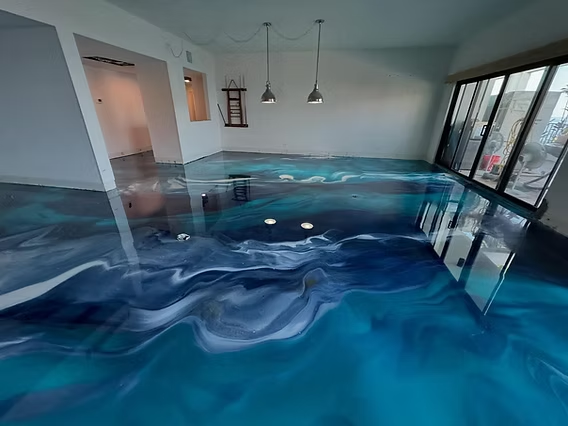

Epoxy colored sand floor coating is a popular flooring system used in homes, businesses, factories, garages, and public spaces. It combines the strength of epoxy resin with decorative colored sand or quartz particles. The result is a floor that looks attractive while also offering excellent durability. Unlike ordinary paint or basic concrete finishes, this coating creates a thick, protective surface that can handle daily foot traffic, equipment, moisture, and many types of wear.
Property owners often choose epoxy colored sand floor coating because it offers both practical and visual benefits. Different sand colors can be combined to create unique patterns, textures, and finishes. The flooring can match the design of a building while protecting the concrete underneath. Whether used in a commercial kitchen, hospital, showroom, workshop, or residential garage, this flooring system can provide a long-lasting and professional appearance.
What Is Epoxy Colored Sand Floor Coating?
Epoxy colored sand floor coating is a multi-layer flooring system applied over a prepared concrete surface. The process usually begins with surface preparation, followed by an epoxy base coat. Colored sand, quartz, or decorative aggregates are then broadcast over the wet epoxy. After the material has cured, excess particles may be removed, and one or more protective topcoats can be applied.
The colored sand creates a textured and decorative surface. At the same time, the epoxy acts as a strong binding material. This combination produces a floor that is more resistant to wear than ordinary painted concrete. Different particle sizes and colors can also be selected depending on the desired appearance and performance requirements.
Main Benefits of Epoxy Colored Sand Floor Coating
One of the biggest advantages of epoxy colored sand floor coating is its durability. Epoxy forms a strong bond with properly prepared concrete. The colored aggregate adds another layer of protection and helps create a tougher surface. This makes the flooring suitable for areas with regular foot traffic and light to heavy use.
Another major benefit is appearance. A plain concrete floor may look dull or unfinished, but colored sand can transform the surface. Property owners can choose single colors, blended designs, or custom decorative combinations. The final result can look clean, modern, and professional while still providing practical protection.
Decorative Options and Color Choices
Design flexibility is an important reason for choosing an epoxy colored sand floor coating. Colored quartz and decorative sand are available in many shades. These colors can be blended to match interior designs, company branding, or architectural themes.
For example, neutral color blends may work well in offices, hospitals, and retail spaces. Darker blends can be useful in industrial locations where dirt and marks may be more visible. Brighter colors may create an attractive appearance in schools, showrooms, or recreational areas.
Custom patterns are also possible. Contractors can use different aggregate colors to create borders, zones, pathways, or decorative designs. This allows the floor to serve both functional and visual purposes.
Durability and Resistance to Daily Wear
Concrete floors can become dusty, stained, or damaged over time. A quality epoxy colored sand floor coating provides a protective layer that helps reduce these problems. The finished surface can resist abrasion, impact, and regular traffic better than untreated concrete.
The level of durability depends on several factors. These include the quality of the epoxy, the type of aggregate, the condition of the concrete, and the installation process. Proper surface preparation is especially important because the coating must bond securely to the concrete.
In demanding environments, a suitable topcoat can provide additional protection. This may help the flooring handle cleaning chemicals, spills, scratches, and repeated use.
Slip Resistance and Safety Advantages
Safety is another important consideration when selecting a flooring system. The texture created by colored sand or quartz can improve traction compared with a completely smooth surface. This can make epoxy colored sand floor coating a useful option for areas where people walk regularly.
The level of texture can often be adjusted by selecting different aggregate sizes and application methods. A contractor can help determine the appropriate surface texture for the environment. Areas exposed to water, spills, or frequent cleaning may require greater slip resistance.
However, the flooring should be designed according to the needs of the specific location. Too much texture may make cleaning more difficult, while too little texture may not provide enough traction.
Common Applications for Epoxy Colored Sand Flooring
Epoxy colored sand floor coating can be used in many different environments. Commercial facilities often use it because it combines durability with a decorative appearance. Retail stores and showrooms can benefit from the clean and professional finish.
Hospitals, laboratories, schools, and institutional buildings may also use decorative epoxy flooring. Garages and workshops are other common applications. In these areas, the coating can help protect concrete from regular wear and improve the overall appearance of the space.
Residential applications are growing as well. Homeowners may install this type of flooring in garages, basements, laundry rooms, patios, and entertainment areas. The wide range of available colors makes it easier to match the flooring with the surrounding design.
Importance of Proper Surface Preparation
The success of an epoxy colored sand floor coating depends heavily on surface preparation. Concrete must be clean, dry, and structurally sound before the coating is applied. Oil, grease, dust, old coatings, and loose material can interfere with adhesion.
Professional installers may use mechanical grinding or other suitable preparation methods to create the correct surface profile. Cracks and damaged areas may also need repair before installation begins.
Moisture should also be considered. Excess moisture within concrete can create problems for some epoxy systems. Testing the concrete and selecting the appropriate materials can help reduce the risk of coating failure.
The Basic Installation Process
The installation process usually begins with cleaning and preparing the concrete. After preparation, an epoxy primer or base coat may be applied. The colored sand or quartz is then broadcast across the wet coating.
In some systems, the aggregate is applied until the surface is fully covered. After curing, loose material is removed, and the floor may be scraped or cleaned to create a consistent texture. A clear epoxy, polyurethane, or other compatible topcoat can then be applied to seal and protect the decorative surface.
The exact process may vary depending on the selected product and the performance requirements of the project.
Maintenance and Cleaning Requirements
One advantage of epoxy colored sand floor coating is that it can be relatively easy to maintain. Regular sweeping or vacuuming helps remove dust and loose debris. The floor can also be cleaned using suitable cleaning products recommended for the specific coating system.
Harsh tools or unsuitable chemicals should be avoided when they could damage the protective finish. Spills should be cleaned promptly, especially if they contain oils, chemicals, or staining materials.
Periodic inspections can also help identify damaged areas before they become larger problems. With proper installation and maintenance, a quality flooring system can continue to provide an attractive appearance for many years.
Choosing the Right Epoxy Colored Sand System
Not every flooring system is suitable for every location. Before selecting an epoxy colored sand floor coating, consider the amount of traffic, exposure to chemicals, moisture conditions, and cleaning requirements.
A residential garage may require a different system from a busy commercial kitchen or industrial facility. The desired appearance is also important. Aggregate size, color combinations, texture, and topcoat finish can all affect the final result.
Working with an experienced flooring professional can help ensure that the selected materials match the needs of the project. It is also important to follow the manufacturer’s instructions regarding mixing, application, curing, and maintenance.
Cost Factors to Consider
The cost of an epoxy colored sand floor coating can vary depending on several factors. The size and condition of the area are major considerations. Floors requiring extensive repairs or preparation may increase the overall project cost.
Material quality, aggregate type, design complexity, and the number of protective layers can also affect pricing. Custom color patterns may cost more than a simple single-color installation.
Although the initial investment may be higher than basic floor paint, a properly installed epoxy system can provide better durability and a more professional appearance. Evaluating long-term maintenance and replacement costs can help property owners make a more informed decision.
Why Professional Installation Can Make a Difference
Epoxy flooring requires careful preparation and application. Mistakes involving mixing ratios, surface moisture, curing conditions, or application thickness can affect performance. Professional installers generally have the equipment and experience needed to prepare concrete correctly and apply the materials consistently.
Professional installation may also be especially valuable for large commercial or industrial projects. These environments often have specific requirements related to safety, durability, and downtime.
A properly installed epoxy colored sand floor coating can provide a strong bond, consistent appearance, and reliable performance. Choosing experienced installers and quality materials can help protect the investment.
Frequently Asked Questions
Is epoxy colored sand floor coating durable?
Yes. When properly installed over well-prepared concrete, it can provide excellent resistance to daily wear, abrasion, and impact. The durability depends on the materials, installation quality, and conditions of use.
Can it be used in residential garages?
Yes. Epoxy colored sand flooring can be a good option for garages because it improves appearance and helps protect the concrete surface from regular use.
Is the surface slippery?
The colored sand or quartz can create texture that improves traction. The level of slip resistance depends on the aggregate size, application method, and final coating system.
How long does installation take?
The installation time depends on the size of the project, concrete preparation needs, material type, and curing requirements. Larger or more complex projects may require additional time.
Can I choose custom colors?
Yes. Many colored sand and quartz products are available in different shades and blends. Custom color combinations and patterns may also be possible.
How do I maintain the floor?
Regular sweeping and cleaning with appropriate products are usually recommended. Avoid unsuitable chemicals or abrasive tools that may damage the protective finish.
Conclusion
Epoxy colored sand floor coating is an effective solution for people who want a floor that is both decorative and durable. It can improve the appearance of plain concrete while providing protection against daily wear and other common forms of damage. With a wide range of colors, textures, and design possibilities, this flooring system can work in residential, commercial, and industrial environments.
The best results depend on proper concrete preparation, high-quality materials, and correct installation. By considering traffic levels, safety needs, maintenance requirements, and design preferences, property owners can select a flooring system that suits their space. A professionally installed epoxy colored sand floor coating can provide a strong, attractive, and long-lasting surface that adds value and functionality to almost any property.