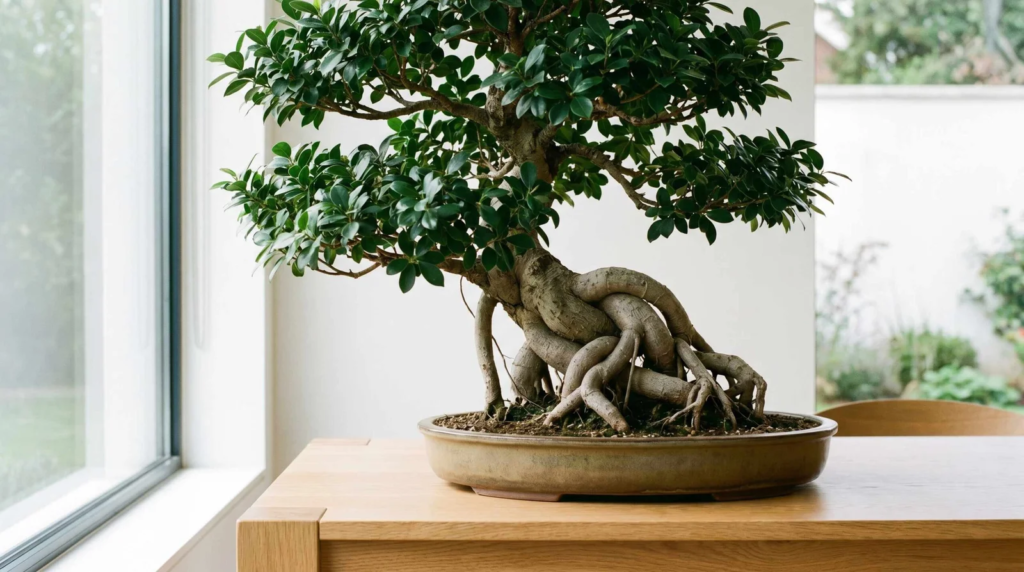

Chinese ficus is a popular and attractive tree that is widely grown as a bonsai and ornamental plant. It is admired for its strong trunk, glossy green leaves, and ability to adapt to different growing conditions. Whether you are a beginner or an experienced plant enthusiast, Chinese ficus can be an excellent addition to your garden, home, or bonsai collection.
This versatile tree is especially popular because it can tolerate pruning and shaping. With proper care, it can develop an impressive root system and a thick, aged-looking trunk. Chinese ficus is also known for its ability to grow indoors when it receives enough light. In this guide, you will learn about its features, growing requirements, care needs, pruning methods, common problems, and more.
What Is Chinese Ficus?
Chinese ficus is a tropical and subtropical plant commonly associated with the Ficus genus. One of the most popular species used for bonsai is Ficus microcarpa. It is valued for its flexibility, durability, and attractive appearance. The tree can develop thick roots and a strong trunk, making even young plants look older and more mature.
Many people choose Chinese ficus because it is easier to maintain than some other bonsai species. It responds well to pruning and can recover from minor mistakes. Its small, shiny leaves also create a balanced appearance, especially when the plant is trained as a bonsai tree. With patience and regular care, Chinese ficus can become a beautiful living decoration.
Popular Characteristics of Chinese Ficus
One of the main reasons Chinese ficus is so popular is its unique appearance. The tree often has dark green, glossy leaves and a trunk that can become thick and textured over time. Some varieties also develop interesting aerial roots, which add character and visual appeal.
Chinese ficus is a fast-growing plant when placed in favorable conditions. This makes it useful for growers who want to develop a bonsai tree without waiting many years for noticeable progress. Regular pruning can help control its size and encourage branching. The plant is also known for adapting well to containers, making it suitable for apartments, offices, patios, and gardens.
Why Chinese Ficus Is Popular for Bonsai
Chinese ficus is one of the best choices for people interested in bonsai. Its strong nature makes it more forgiving than many delicate bonsai species. Beginners can practice pruning, wiring, and shaping without worrying about damaging the tree as easily.
Another advantage is its ability to produce aerial roots. These roots can create a dramatic and ancient appearance. The tree also responds well to regular trimming, which helps maintain a compact shape. Because of these qualities, Chinese ficus can be trained into many bonsai styles.
A healthy bonsai requires patience, but Chinese ficus gives growers many opportunities to learn. With consistent care, it can develop into an attractive miniature tree that improves in appearance year after year.
Choosing the Right Location
Choosing the correct location is important for the healthy growth of Chinese ficus. This plant prefers a warm environment and plenty of bright light. A location near a sunny window can work well for indoor plants, especially if the tree receives several hours of indirect or filtered sunlight.
Avoid placing the plant near cold drafts, air conditioners, or sudden temperature changes. Chinese ficus generally prefers stable conditions. If you grow it outdoors, make sure the tree is protected from extreme cold.
The right location can improve leaf growth, root development, and overall plant health. Before moving your Chinese ficus, consider how much sunlight the new location receives throughout the day.
Light Requirements for Chinese Ficus
Light plays an important role in the growth of Chinese ficus. Bright light encourages healthy leaves and strong development. Outdoor plants can usually handle more sunlight, but extremely hot conditions may require some protection during the strongest part of the day.
Indoor plants should be placed close to a bright window. If natural light is limited, a suitable grow light may help support healthy growth. A lack of light can cause weak growth or leaf drop.
When moving a Chinese ficus from indoors to outdoors, make the change gradually. Sudden exposure to strong sunlight may stress the plant. Slowly increasing sun exposure can help the tree adjust safely.
How to Water Chinese Ficus
Proper watering is essential for Chinese ficus care. The soil should not remain constantly wet, but it should also not become completely dry for long periods. Check the top layer of soil before watering.
When the soil begins to feel slightly dry, water the tree thoroughly. Allow excess water to drain from the container. A pot with drainage holes is important because standing water can damage the roots.
The watering schedule may change depending on temperature, humidity, sunlight, and the size of the container. During warm weather, the tree may need water more frequently. During cooler periods, growth slows and watering may be reduced.
Best Soil for Healthy Growth
Chinese ficus needs well-draining soil. Heavy soil that holds too much water can increase the risk of root problems. A good soil mixture should provide both moisture retention and proper airflow around the roots.
Bonsai growers often use special bonsai soil mixtures because they provide excellent drainage. For regular container growing, a quality potting mix with materials that improve drainage can also work well.
Healthy roots are the foundation of a strong tree. Choosing suitable soil can support root development and help prevent problems caused by excessive moisture. Replace old or compacted soil when necessary to maintain healthy growing conditions.
Fertilizing Your Chinese Ficus
Chinese ficus benefits from regular feeding during active growth. A balanced fertilizer can provide important nutrients that support leaf, root, and branch development. Follow the instructions on the fertilizer product and avoid using excessive amounts.
Over-fertilizing can damage the roots and cause unnecessary stress. It is usually better to feed the plant consistently and moderately rather than applying too much fertilizer at once.
During periods of slower growth, the plant may require less fertilizer. Always observe the condition of your Chinese ficus and adjust your care routine based on its environment and growth pattern.
How to Prune and Shape Chinese Ficus
Pruning helps maintain the shape and size of Chinese ficus. Remove unwanted branches, damaged growth, and excessively long shoots. Regular trimming can also encourage the tree to produce new branches and create a fuller appearance.
For bonsai, pruning is an important part of artistic development. You can gradually shape the tree to create a balanced design. However, avoid removing too much growth at one time, especially if the plant is weak.
Wiring may also be used to guide branches into desired positions. Check the wire regularly because branches can grow quickly. Removing the wire before it cuts into the bark helps prevent permanent damage.
Repotting a Chinese Ficus Bonsai
Repotting gives Chinese ficus fresh soil and additional space for healthy root growth. The exact timing depends on the age and growth rate of the tree. Younger and faster-growing plants may need repotting more often than mature trees.
When repotting, carefully remove the tree from its container and inspect the roots. Remove unhealthy or excessively long roots if needed. Then place the tree into fresh, well-draining soil.
After repotting, avoid placing the tree under extreme stress. Give it appropriate light and water while it adjusts to its new environment. Proper repotting can improve long-term health and help maintain the desired size of the root system.
Common Pests and Diseases
Like many plants, Chinese ficus can experience pest problems. Common issues may include scale insects, spider mites, and mealybugs. Regularly checking the leaves, stems, and branches can help identify problems early.
If pests appear, isolate the affected plant when possible and use an appropriate treatment. Cleaning the leaves and improving air circulation may also help reduce future problems.
Overwatering is another common issue. Excess moisture can lead to unhealthy roots and leaf problems. Using well-draining soil and a container with drainage holes can greatly reduce this risk.
Common Problems and Solutions
Leaf drop is one of the most common concerns for Chinese ficus owners. This can happen when the plant experiences sudden changes in light, temperature, watering, or location. Moving a plant from one environment to another may temporarily cause stress.
Yellow leaves can sometimes indicate excessive watering or poor drainage. Dry and crispy leaves may suggest that the plant needs more water or humidity. The best solution is to examine the growing conditions rather than changing everything at once.
Consistency is important. A stable environment, proper watering, and suitable lighting can help Chinese ficus recover and continue growing.
Growing Chinese Ficus Indoors
Chinese ficus can grow successfully indoors when given enough bright light. Place the plant near a window and rotate it occasionally so all sides receive light. This can encourage balanced growth.
Indoor air can sometimes be dry, especially when heating or air conditioning is used. Monitor the plant carefully and maintain suitable moisture levels. Avoid placing the tree directly beside heating vents or cold drafts.
Regular pruning is particularly useful for indoor plants because it helps control their size. With proper care, Chinese ficus can become an attractive indoor bonsai or decorative container tree.
Growing Chinese Ficus Outdoors
Outdoor growing can provide Chinese ficus with stronger natural light and better air circulation. The tree may grow faster when conditions are warm and suitable. However, protection may be necessary during extreme weather.
Choose a location with adequate sunlight and protection from severe cold. If temperatures become too low, move container-grown plants to a warmer and more protected area.
Outdoor Chinese ficus may require more frequent watering because sunlight and wind can dry the soil faster. Check the soil regularly instead of following a fixed watering schedule.
Benefits of Adding Chinese Ficus to Your Collection
Chinese ficus offers many benefits to plant lovers and bonsai enthusiasts. Its attractive leaves, strong trunk, and ability to tolerate pruning make it a rewarding plant to grow. It can also fit into many different spaces, from small indoor rooms to outdoor gardens.
For beginners, Chinese ficus provides an opportunity to learn important plant-care skills. Growers can practice watering, pruning, shaping, repotting, and pest management. Experienced bonsai artists can also use the tree to create detailed and impressive designs.
With regular attention, this plant can remain a long-term part of a collection and continue developing more character as it matures.
Frequently Asked Questions
Is Chinese ficus easy to grow?
Yes, Chinese ficus is generally considered a good choice for beginners. It is adaptable and responds well to regular care.
How often should I water Chinese ficus?
Water when the top layer of soil begins to dry. The exact schedule depends on the weather, light, soil, and container size.
Can Chinese ficus grow indoors?
Yes. It can grow indoors if it receives sufficient bright light and stable temperatures.
Does Chinese ficus need direct sunlight?
It benefits from bright light. Outdoor plants may tolerate more direct sunlight, while indoor plants often perform well with bright filtered light.
How often should I prune Chinese ficus?
Pruning depends on the growth rate and desired shape. Trim new growth regularly to maintain a compact appearance.
Why are the leaves falling from my Chinese ficus?
Leaf drop can result from changes in location, lighting, temperature, or watering. Check the plant’s environment and make gradual adjustments.
Conclusion
Chinese ficus is an attractive, adaptable, and rewarding plant for both beginners and experienced growers. Its glossy leaves, strong trunk, flexible branches, and ability to respond well to pruning make it especially popular for bonsai. By providing proper light, balanced watering, well-draining soil, and regular care, you can help your tree remain healthy and beautiful.
The key to successful Chinese ficus care is consistency. Avoid sudden changes and observe the plant regularly. Pay attention to the soil, leaves, and overall growth. With patience and proper maintenance, Chinese ficus can develop into an impressive bonsai or ornamental tree that brings natural beauty to your home or garden.