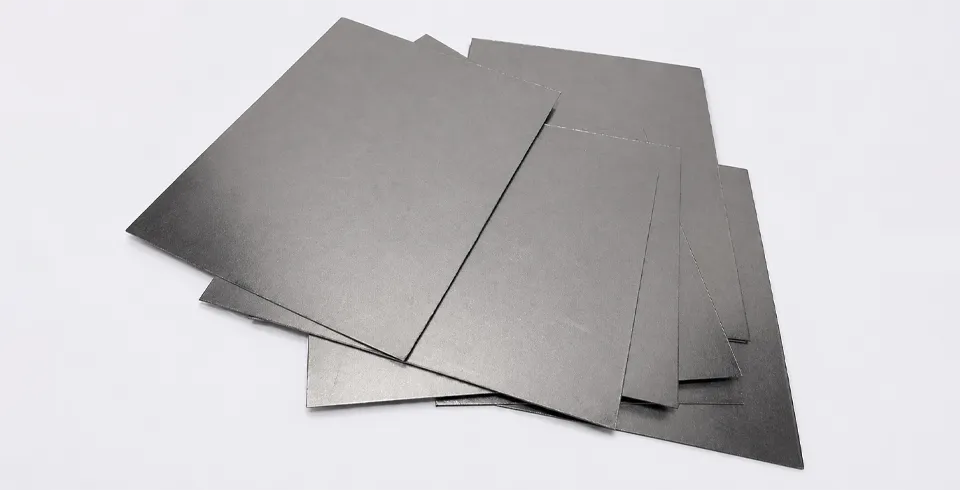

Graphite plates are widely used in industries that need materials with excellent heat resistance, electrical conductivity, and chemical stability. From industrial furnaces to electrical equipment, graphite plates can perform well under demanding conditions. However, the quality of the final product often depends on choosing the right graphite plate supplier.
A reliable supplier does more than provide graphite plates. They should offer consistent quality, accurate dimensions, suitable graphite grades, dependable production, and strong customer support. Businesses that use graphite components regularly need a supplier they can trust for both standard and custom requirements.
This article explains what graphite plates are, where they are used, what to consider when choosing a supplier, and how to make a better purchasing decision.
What Is a Graphite Plate?
A graphite plate is a flat component manufactured from graphite material. Graphite is a form of carbon with several useful physical and chemical properties. It can withstand high temperatures while maintaining good performance in many industrial environments.
Graphite plates can be produced in different thicknesses, lengths, widths, and grades. Some applications require highly pure graphite, while others may need special grades designed for strength, thermal performance, or chemical resistance.
A professional graphite plate supplier can help customers select the correct material according to the working environment and application.
Why Graphite Plates Are Important
Graphite plates offer several advantages compared with many traditional materials. Their ability to operate at high temperatures makes them useful in thermal processing applications.
Graphite also provides good electrical conductivity. This makes it suitable for electrical and electrochemical applications. Its low thermal expansion can help reduce dimensional changes when temperatures fluctuate.
Another important advantage is chemical resistance. Graphite can perform well in contact with many chemicals, although compatibility depends on the specific environment and operating conditions.
Common Applications of Graphite Plates
Graphite plates are used across many industries. Their applications can vary depending on graphite grade, purity, density, and machining requirements.
Common applications include:
- Industrial furnaces
- Heat treatment equipment
- Semiconductor manufacturing
- Electrical components
- Electrochemical equipment
- Chemical processing systems
- Laboratory equipment
- Solar and photovoltaic production
- Foundry applications
- High-temperature machinery
A knowledgeable graphite plate supplier can recommend a suitable product for each application.
Types of Graphite Plates
Not every graphite plate has the same properties. Manufacturers can use different raw materials and production methods to create plates for specific purposes.
Fine-grain graphite plates are often selected when accurate machining and smooth surfaces are important. High-purity graphite may be preferred for applications where contamination must be minimized.
Other grades may focus on mechanical strength, thermal conductivity, or resistance to chemical environments.
Before ordering, customers should understand the required material specifications. A good supplier can provide technical information to make the selection easier.
How to Choose a Graphite Plate Supplier
Choosing a supplier requires more than comparing prices. Product quality, manufacturing capabilities, delivery reliability, and technical support should all be considered.
First, check the supplier’s experience with graphite products. A company with strong industry knowledge is more likely to understand different graphite grades and applications.
Next, ask about manufacturing standards and quality control. Consistent dimensions and material properties are important when graphite plates are installed in precision equipment.
You should also consider whether the supplier can provide custom sizes. This can reduce machining work and help improve production efficiency.
Check Graphite Material Quality
Material quality is one of the most important factors when selecting a graphite plate supplier. Poor-quality graphite can lead to cracking, contamination, inconsistent performance, or shorter service life.
Ask the supplier about important material characteristics. These may include density, ash content, electrical resistivity, thermal conductivity, grain size, and purity.
The correct specification depends on the application. For example, a high-temperature furnace may require different graphite properties than an electrical component.
Reliable suppliers should be able to provide technical data and explain how the material is produced and tested.
Custom Graphite Plate Manufacturing
Many industrial customers need graphite plates in custom shapes and dimensions. Standard plates may not always fit specialized equipment.
A capable supplier can manufacture plates according to customer drawings or specifications. Custom machining may include drilling holes, cutting grooves, creating slots, or producing special profiles.
Custom manufacturing can save time because customers receive components closer to their final dimensions. It can also reduce material waste during installation.
When requesting custom graphite plates, provide accurate drawings and technical requirements. This allows the graphite plate supplier to understand the project correctly.
Importance of Precision Machining
Graphite is relatively easy to machine compared with many hard industrial materials. However, precision machining still requires appropriate equipment and skilled operators.
Incorrect machining can result in dimensional errors, rough surfaces, or damaged edges. These problems can affect the performance of the finished component.
A professional supplier should have suitable machining capabilities and inspection procedures. Measurements should be checked against the customer’s specifications before shipment.
Precision becomes especially important when graphite plates are used in automated machinery or equipment with tight tolerances.
Graphite Plates for High-Temperature Applications
One of graphite’s best-known properties is its ability to operate at extremely high temperatures in suitable environments. This makes graphite plates valuable in furnaces and thermal processing systems.
Graphite can maintain useful mechanical and thermal properties under high heat. However, performance can change depending on the surrounding atmosphere. Oxidizing environments can cause graphite to react with oxygen at elevated temperatures.
Therefore, customers should explain the temperature and atmosphere of their application when speaking with a graphite plate supplier.
Benefits of Working With an Experienced Supplier
An experienced supplier can provide more than a basic product. They can help customers select materials, confirm dimensions, and identify potential problems before production begins.
Other benefits may include:
- Consistent product quality
- Technical assistance
- Custom manufacturing
- Reliable packaging
- Quality inspection
- Flexible order quantities
- Better production planning
- Faster communication
Long-term supplier relationships can also make future orders easier. Once specifications are established, repeat purchases can usually be handled more efficiently.
Comparing Price and Total Value
Price is naturally important when purchasing graphite plates. However, the lowest quotation may not always provide the best value.
A cheaper product may have inconsistent dimensions or lower material quality. This can lead to additional machining, replacement costs, production delays, or equipment problems.
Instead of comparing only the initial price, consider the total value of the product. Material quality, expected service life, machining accuracy, delivery time, and technical support should all be included in the evaluation.
A dependable graphite plate supplier should provide a fair balance between quality and cost.
Questions to Ask Before Ordering
Before placing an order, customers should collect enough information to avoid misunderstandings. Useful questions include:
- What graphite grade is recommended for my application?
- What purity and density does the material have?
- Can you manufacture custom dimensions?
- What machining tolerances can you achieve?
- Can you provide technical specifications?
- How are the plates inspected?
- What packaging is used for transportation?
- What is the expected production time?
- Can you support repeat orders?
- Do you offer samples for evaluation?
These questions can help identify a supplier that understands your technical requirements.
Conclusion
Selecting the right graphite plate supplier is an important decision for businesses that depend on reliable graphite components. Quality materials, accurate machining, technical knowledge, and dependable delivery can have a major effect on industrial performance.
Graphite plates are valuable because they offer excellent high-temperature performance, electrical conductivity, chemical resistance, and dimensional stability in suitable conditions. However, the correct graphite grade must always match the intended application.
When comparing suppliers, look beyond the initial price. Evaluate material quality, manufacturing capabilities, customization options, inspection processes, delivery reliability, and customer support. A supplier that provides consistent products and useful technical guidance can become a valuable long-term business partner.
With careful research and clear specifications, companies can choose a graphite plate supplier that meets their performance, quality, and production requirements.