
A Shisha Cartoning Machine is an important packaging solution for manufacturers that produce shisha products and accessories. It helps businesses pack products into cartons quickly, accurately, and consistently. As the shisha market continues to grow, manufacturers need efficient packaging systems to improve production speed and maintain product quality. Manual cartoning can take time and may lead to packaging errors. A modern machine can reduce these problems by automating important steps in the packaging process.
This article explains how a Shisha Cartoning Machine works, its main features, benefits, applications, and factors to consider before choosing the right equipment. Whether you operate a small production facility or a large manufacturing plant, understanding automated cartoning can help you make better packaging decisions.
What Is a Shisha Cartoning Machine?
A Shisha Cartoning Machine is packaging equipment designed to place shisha-related products into preformed cartons. Depending on the machine design, it can handle items such as shisha tobacco containers, charcoal products, accessories, hoses, mouthpieces, and other packaged components.
The machine usually performs several tasks automatically. It may open or erect a carton, place the product inside, add inserts or instructions, and close or seal the carton. This creates a faster and more organized packaging process.
Manufacturers can choose between semi-automatic and fully automatic systems. Semi-automatic equipment requires more operator involvement, while automatic machines can complete most packaging steps with limited manual work. The right choice depends on production volume, available space, product type, and budget.
How Does a Shisha Cartoning Machine Work?
The working process of a Shisha Cartoning Machine may vary depending on the model and product design. However, most systems follow a similar sequence.
First, flat carton blanks are loaded into the machine. The equipment then opens and forms the carton into the correct shape. Products are supplied through a feeding system and placed inside the carton.
Some machines can also insert leaflets, promotional materials, or instruction sheets. After the product enters the carton, the machine closes the carton flaps. Depending on the packaging design, the carton may be tuck-closed, glued, or sealed using another method.
The complete process is designed to improve speed and consistency. Automated controls also help maintain accurate timing and positioning during production.
Main Components of the Machine
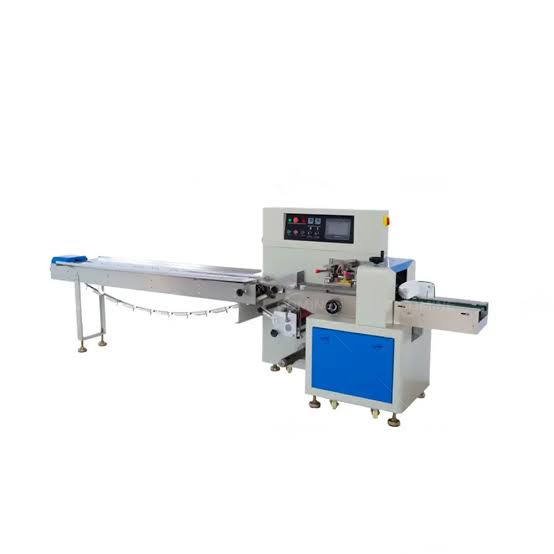
A cartoning system includes several important components that work together to complete the packaging process.
Some common components include:
- Carton magazine: Holds flat carton blanks before use.
- Carton opening system: Forms the flat carton into its required shape.
- Product feeding system: Delivers shisha products to the packaging area.
- Leaflet inserter: Adds instructions or promotional materials when required.
- Carton closing unit: Closes, tucks, or seals the carton.
- Control panel: Allows operators to manage machine settings.
- Sensors: Help detect carton position and product movement.
- Safety systems: Protect operators and reduce operational risks.
The design and number of components can differ based on the machine’s speed and automation level.
Benefits of Using Automated Cartoning Equipment
One major advantage of a Shisha Cartoning Machine is improved production efficiency. Manual packaging requires workers to repeatedly fold cartons, insert products, and close packages. Automation can complete these steps faster and with more consistent results.
Another benefit is improved packaging quality. Properly adjusted equipment can help ensure that products are placed correctly inside cartons. This can create a more professional appearance and improve brand presentation.
Automation may also reduce labor requirements for repetitive packaging tasks. Workers can focus on quality checks, machine operation, maintenance, and other important production activities.
In addition, machines can support higher production volumes. This makes automated cartoning especially useful for businesses that want to expand their manufacturing capacity.
Types of Shisha Cartoning Machines
Different types of cartoning machines are available for different packaging requirements. Understanding these options can help manufacturers choose suitable equipment.
Horizontal Cartoning Machines
Horizontal systems are commonly used when products are inserted into cartons from the side. The product usually moves along a conveyor before entering the carton. These machines can be suitable for many types of packaged shisha accessories and products.
Vertical Cartoning Machines
Vertical cartoning machines load products into cartons from the top. They can be useful for products that need to remain upright during packaging. The best design depends on the product shape and packaging style.
Semi-Automatic Cartoning Machines
Semi-automatic machines require operators to perform certain tasks. They may be suitable for smaller businesses with lower production volumes or frequent product changes.
Fully Automatic Cartoning Machines
Fully automatic systems can perform most packaging tasks without continuous manual handling. They are often selected by manufacturers with higher production requirements.
Important Features to Look For
Before purchasing a Shisha Cartoning Machine, manufacturers should carefully examine its features. Machine speed is an important factor. The equipment should match the expected production output without creating unnecessary delays.
Flexibility is also valuable. Some businesses package products in different carton sizes. A machine with adjustable settings can make changeovers easier.
Other important features may include:
- Adjustable carton size settings.
- User-friendly control systems.
- Reliable product feeding.
- Accurate sensor technology.
- Safety guards and emergency controls.
- Easy cleaning and maintenance.
- Durable construction materials.
- Compatibility with existing production lines.
Choosing equipment with the right features can improve long-term performance and reduce operational difficulties.
How to Choose the Right Machine
Selecting the right Shisha Cartoning Machine requires more than simply comparing prices. Manufacturers should first understand their product and packaging requirements.
Consider the size, shape, and weight of the product. The carton dimensions and closing method should also be identified. A machine must be compatible with these specifications.
Production speed is another important consideration. A small facility may not need a high-speed industrial system. On the other hand, a growing manufacturer should consider future production requirements.
Available floor space should also be checked. Large automated packaging lines require sufficient installation space and access for maintenance.
Finally, businesses should consider technical support, spare parts availability, training, and maintenance requirements before making a purchase.
The Importance of Packaging Accuracy
Packaging accuracy plays a major role in product presentation. Poorly formed cartons can make a product look unprofessional and may affect customer confidence.
A properly configured Shisha Cartoning Machine can help maintain consistent carton formation and product placement. Sensors and automated controls can identify certain packaging problems during operation.
Accurate packaging can also reduce material waste. When cartons are correctly opened, filled, and closed, fewer materials may be rejected because of packaging errors.
Regular machine inspection remains important. Operators should check carton alignment, feeding performance, and sealing quality to maintain consistent results.
Maintenance Tips for Better Performance
Regular maintenance helps keep cartoning equipment operating efficiently. Dust, damaged components, and incorrect settings can affect machine performance.
Operators should follow the manufacturer’s maintenance schedule. Moving parts may require inspection, cleaning, or lubrication according to the equipment guidelines.
Some useful maintenance practices include:
- Cleaning the machine regularly.
- Inspecting sensors and electrical connections.
- Checking belts, chains, and moving parts.
- Replacing worn components when necessary.
- Keeping the work area clean.
- Training operators properly.
- Recording maintenance activities.
Preventive maintenance can reduce unexpected downtime and help extend the service life of the equipment.
Improving Production Efficiency
A Shisha Cartoning Machine can become an important part of a complete automated packaging line. Manufacturers can connect cartoning equipment with filling machines, labeling systems, conveyors, inspection equipment, and case packing systems.
A well-designed production line reduces unnecessary product handling between different stages. This can improve workflow and help maintain a steady production speed.
However, automation should be planned carefully. The speed of each machine should be compatible with the rest of the production line. If one system operates much slower than others, it can create bottlenecks.
Regular monitoring and operator training can further improve efficiency and help businesses achieve better packaging results.
Future Trends in Cartoning Technology
Packaging technology continues to develop as manufacturers look for greater efficiency and flexibility. Modern cartoning systems increasingly use advanced sensors, digital controls, and automated monitoring.
Future machines may provide easier product changeovers and better data collection. Smart control systems can help operators monitor production performance and identify potential problems.
Sustainability is another important trend. Many businesses are exploring packaging materials that use fewer resources or support recycling goals. Cartoning equipment may need to adapt to different types of environmentally conscious packaging materials.
Flexible automation will likely remain important as manufacturers introduce new product sizes and packaging designs.
Conclusion
A Shisha Cartoning Machine can help manufacturers improve packaging speed, consistency, and overall production efficiency. By automating carton forming, product insertion, and carton closing, businesses can reduce repetitive manual work and create more professional packaging.
The best machine depends on several factors, including product type, carton size, production volume, available space, and budget. Businesses should also consider machine flexibility, maintenance needs, operator training, and technical support.
As packaging technology continues to improve, automated cartoning systems will remain valuable for manufacturers that want reliable and scalable production processes. Investing time in selecting the right equipment can help create a smoother workflow and support long-term business growth.
Frequently Asked Questions
What is a Shisha Cartoning Machine?
A Shisha Cartoning Machine is packaging equipment used to place shisha-related products or accessories into cartons automatically or semi-automatically.
Can the machine handle different carton sizes?
Many machines offer adjustable settings for different carton dimensions. The available range depends on the specific model.
What is the difference between semi-automatic and automatic machines?
Semi-automatic machines require more operator involvement, while fully automatic machines perform most packaging steps automatically.
How can I choose the correct cartoning machine?
Consider your product dimensions, carton design, production volume, available space, budget, and future growth plans.
Why is regular maintenance important?
Regular maintenance helps prevent unexpected breakdowns, improves performance, and can extend the machine’s operational life.
Can a cartoning machine be connected to other packaging equipment?
Yes. Many cartoning machines can be integrated with conveyors, filling systems, labeling equipment, inspection systems, and other packaging machinery.